Did you know that CBD carries a host of therapeutic benefits that could make your lifting life easier and more enjoyable? Weightlifting demands a lot from our bodies. With every workout, we push ourselves to exceed yesterday’s progress, urging our muscles, joints, and mental toughness to go just a little further, push a little beyond what we think we’re capable of.
Whether you lift for fitness or competition, you know the aches and pains that accompany weightlifting. Muscle soreness, inflammation, and achy joints are all necessary elements of progress. It’s true what they say: no pain, no gain. In addition, whether you’re bulking up or starving-and-carving, you know the dietary obsessions that accompany lifting. Are you getting enough protein and calories? Too many carbs? When is cheat day? You’re always looking for healthful ways to soothe pain and soreness, enhance focus and deliver vital nutrients: That’s where CBD comes in!
Quick Hits
• CBD works with the body’s endocannabinoid system to improve overall wellness
• CBD is commonly used for minor pain relief
• When used in energy products, CBD’s calming properties help provide focus
What Is CBD?
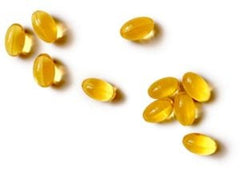
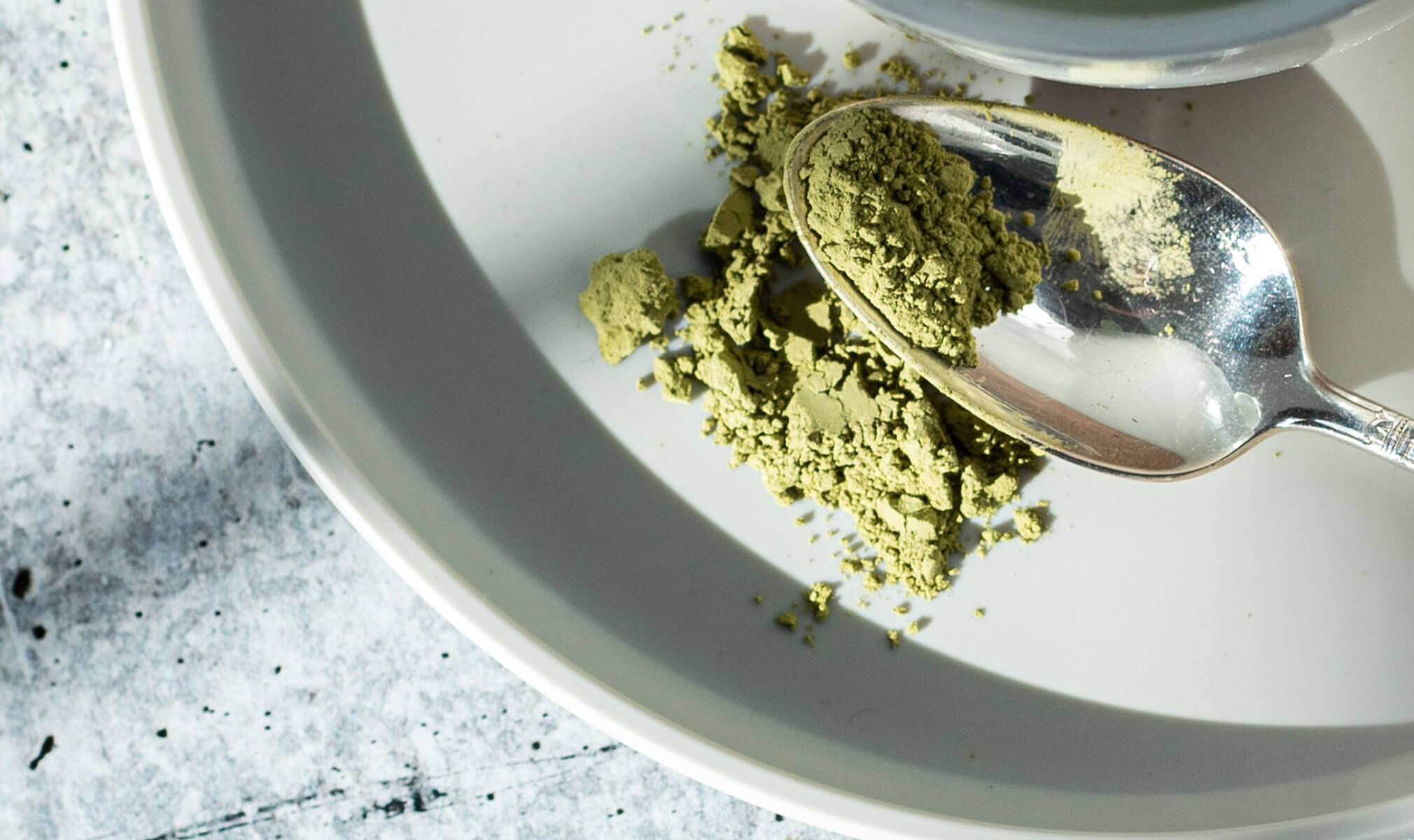
CBD is short for cannabidiol, a molecular compound found in the hemp plant. It’s not the psychoactive compound that causes a “high,” and it’s not considered a performance enhancing substance on its own.
Okay, if it doesn’t get you high, what does it do? CBD interacts with receptors in our endocannabinoid system, which is closely integrated with our central and peripheral nervous systems and other major systems in the body, including our digestive and immune systems.
Many athletes swear by CBD for their pre- and post-workout routines, mixing it into their protein shakes and smoothies, and massaging CBD topicals into sore muscles and joints.
Why Should Weightlifters Try CBD?
From new protein supplements to tweaking lift schedules, lifters are always looking for an edge. Fitness enthusiasts know that CBD products are handy for a host of training applications. How can lifters leverage CBD for bigger gains?
Workout prep begins … last night.
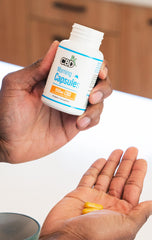
Sleep promotes muscle recovery, in addition to giving the mind and body a necessary reset. Lifters look to CBD and other natural supplements to promote restful sleep.
Focus rules the gym.
Most weightlifting injuries come from poor form, pushing too hard, and not paying attention. Focus is vital to staying safe and making progress in the gym.
CBD + CBG Morning Capsules boast a blend of CBD and the cannabinoid CBG, which may be an unfamiliar name, but is a potent ingredient. When CBD and CBG are combined, they provide a powerful balance and an effect people often describe as focusing.
Soothe and recover.
You already know that the way muscles grow is by repairing the damage we do to them when we lift. Lactic acid from your workout, along with that microtrauma that your muscles endure — and the white blood cells that go to work on that trauma — cause soreness.
Post-workout rubdowns with topical CBD creams and balms that include additional anti-inflammatory agents are a popular choice for athletes, and a simple way to work soothing CBD into your therapeutic massage.
How Can You Work CBD Into Your Lifting Regimen?
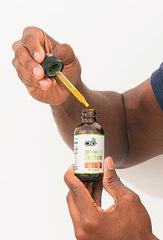
With so many therapeutic benefits, CBD is a natural addition to your lifting lifestyle. So what are some ways you can try it?
Add It to Your Smoothies and Protein Shakes
A few drops of CBD Wellness Tincture in your shake delivers up to 6000mg of CBD, depending on the concentration you choose, paired with the health-boosting effects of CBG, as well as curcumin and coenzymeQ10. It’s ideal for both pre- and post-workout shakes.
Topicals for Sore Muscles

We mentioned earlier that CBD creams and balms are popular choices among athletes looking to boost recovery time and address aches and soreness.
CBD Muscle and Joint Cream combines CBD with cooling menthol and white willow bark to create an incredibly soothing and refreshing rubdown. Deep Tissue Formula CBD Muscle Balm provides an eye-opening massage experience with a formula of CBD, peppermint and wintergreen essential oils, and warming camphor oil.
Add CBD to Your Vitamin and Supplement Plan
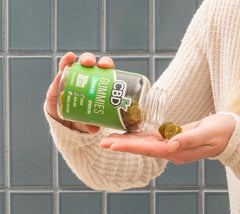
If, like many lifters, you find yourself buried under supplements, vitamins, shakes and meal plans, and you can’t imagine adding yet another thing to the pile, never fear.
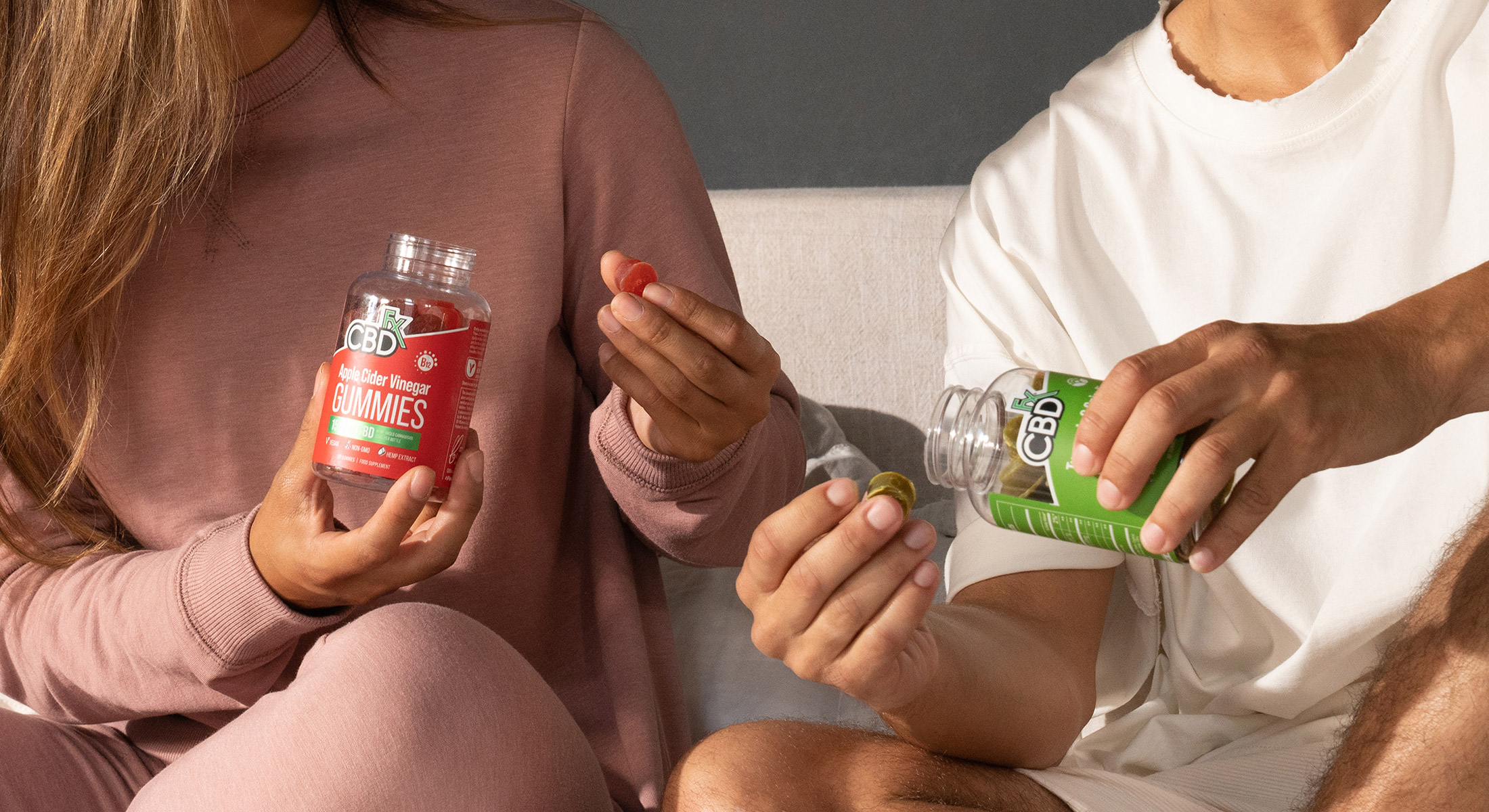
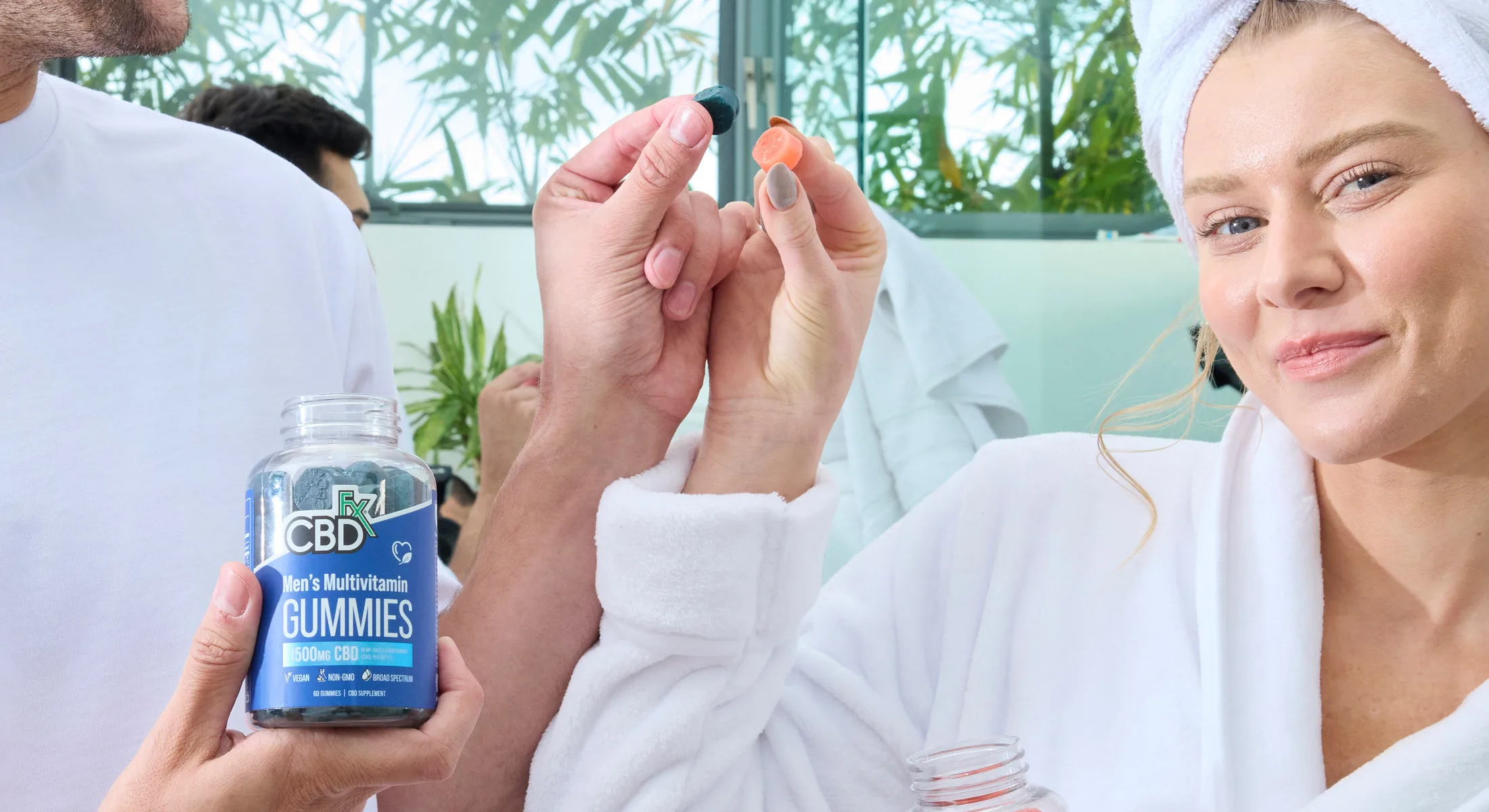
CBD Multivitamin Gummies and other products that combine CBD with popular supplements are an elegant way to add CBD to your routine. If you’re an apple cider vinegar fan, using it to control blood sugar or detox and lose weight, you’ll be glad to know that there are CBD Gummies with Apple Cider Vinegar, combining ACV with CBD. Or, if you’re looking for a superfood boost, consider CBD Turmeric and Spirulina Gummies.
Gummies for Better Rest

Good sleep is absolutely crucial to muscle recovery and giving you the focused energy you need to attack the day. CBD Sleep Gummies With Chamomile and Passion Flower are the perfect choice to get a solid eight hours of healing, restorative sleep.
We lift because we love it. The pain, the planning, the early mornings — they’re all worth it, not only for the results but also for the process. Adding CBD to our lifting lifestyle helps us boost recovery, rest better and improve our focus.
CBD isn’t just for hardcore bodybuilders. Casual lifters and anybody looking to get fit safely can benefit from it. Try working CBD into your fitness plan, starting wherever you feel like you need the most assistance, from soothing soreness to getting rested.
The best news is, with all this increased recovery, rest and focus, you’ll be far less likely to skip leg day.